Risk factors
- porous material stayed wet
- insulation or carpet pad was missed
- humidity remained high
- the source continued slowly

Homeowner guide
Moisture, material, airflow, humidity, and hidden cavities all affect mold risk.
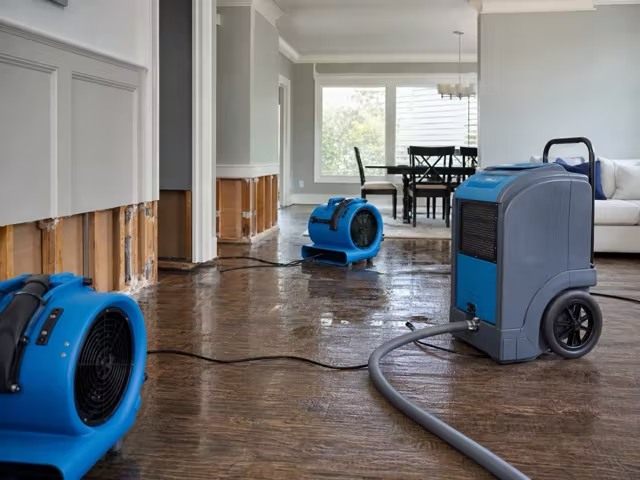
A clock alone does not determine the outcome. Material type, temperature, humidity, airflow, contamination, hidden cavities, and whether the moisture source continues all affect drying and mold risk.
Save photographs, source-repair notes, authorizations, estimates, readings, equipment dates, receipts, invoices, and written completion evidence in date order. Keep mitigation, contents, and reconstruction records separate.
Related decisions
Reference points
Federal guidance on moisture-source correction, cleanup limits, porous materials, protective equipment, and completion.
State consumer guidance for checking licensing, references, insurance, written scope, and payment terms.