First
- stop the source if it is safe
- avoid water near electricity
- photograph the source and affected rooms
- move dry belongings away

Homeowner guide
A safe sequence for source control, photos, extraction, drying, and repair documentation.
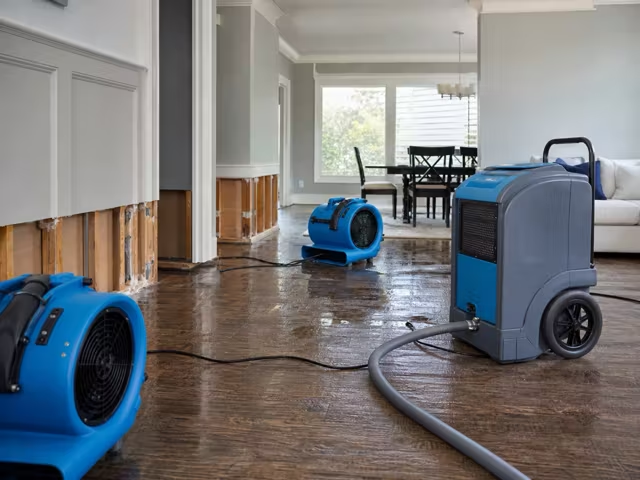
The sequence matters because cleanup can erase evidence while water continues moving into adjacent materials. Preserve the source record, then track extraction, drying, and reconstruction as separate phases.
Save photographs, source-repair notes, authorizations, estimates, readings, equipment dates, receipts, invoices, and written completion evidence in date order. Keep mitigation, contents, and reconstruction records separate.
Related decisions
Reference points
Federal homeowner guidance on moisture control, drying, porous materials, and mold cleanup.
Address-level flood-hazard research; the map does not determine insurance coverage or diagnose a property.
State consumer guidance for checking licensing, references, insurance, written scope, and payment terms.