Document the source
- save plumber or roofer notes
- record when the leak began and stopped
- photograph the source before repair
- note storm timing when relevant

Homeowner guide
Photos, source notes, drying logs, estimates, invoices, and policy questions.
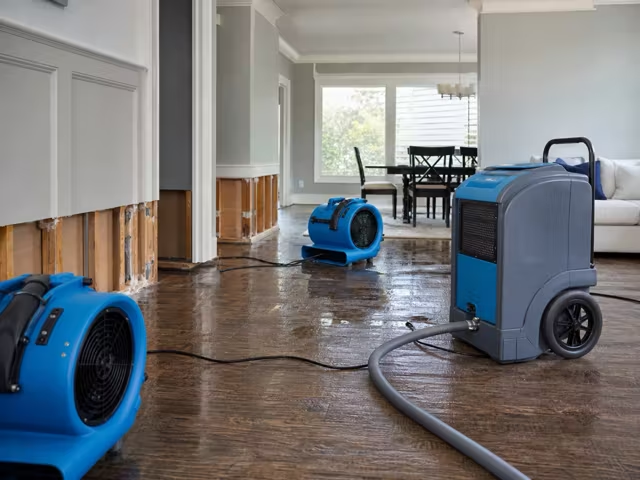
Documentation should describe what happened without promising coverage. The policy, cause, maintenance history, endorsements, and insurer decisions determine coverage; the site cannot decide a claim.
Save photographs, source-repair notes, authorizations, estimates, readings, equipment dates, receipts, invoices, and written completion evidence in date order. Keep mitigation, contents, and reconstruction records separate.
Related decisions
Reference points
Federal homeowner guidance on moisture control, drying, porous materials, and mold cleanup.
Address-level flood-hazard research; the map does not determine insurance coverage or diagnose a property.
State consumer guidance for checking licensing, references, insurance, written scope, and payment terms.