Correct the cause
Identify who will stop the plumbing leak, close the roof opening, correct drainage, or address the moisture source. Confirm whether that work is included or requires a separate specialist.

Storm damage
A homeowner checklist for rain entry, roof damage, fallen limbs, and interior drying.
Call for storm-damage help · (858) 393-6797This line is for storm-damage help. It may connect you with an independent participating provider. Availability varies by location and damage type. The publisher may be compensated for a qualifying call.
Independent guide. Service availability depends on the property location and the type of damage.
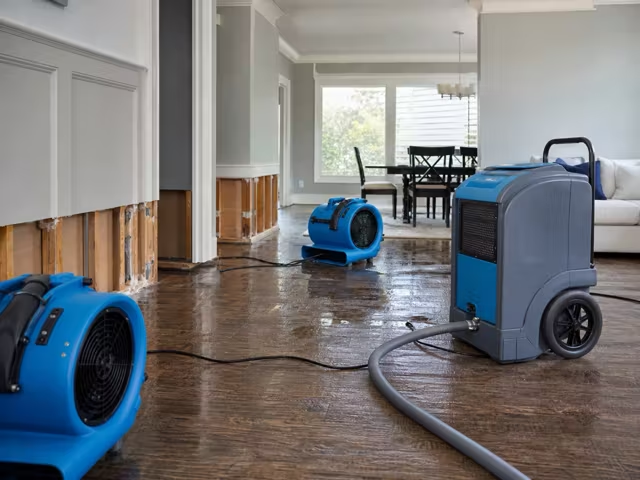
Photograph exterior and interior damage from a safe location, protect unaffected areas, and separate emergency drying from roof, tree, structural, and rebuild work.
Call for storm-damage help · (858) 393-6797This line is for storm-damage help. It may connect you with an independent participating provider. Availability varies by location and damage type. The publisher may be compensated for a qualifying call.Compare the scope
Identify who will stop the plumbing leak, close the roof opening, correct drainage, or address the moisture source. Confirm whether that work is included or requires a separate specialist.
Ask what will be extracted, removed, cleaned, contained, dried, or monitored; which equipment is planned; and how changing conditions will be documented.
Before finishes return, request completion evidence appropriate to the job, such as moisture readings, photographs, cleaning records, or a written explanation of materials removed and retained.
Written scope
Storm work can involve temporary protection, tree or roof work, water mitigation, contents, structural evaluation, and reconstruction. Each provider should state which phase it owns and which hazards require public authorities or another trade.
Common questions
Use emergency authorities for immediate fire, electrical, structural, gas, or life-safety danger. Storm recovery can then involve temporary protection, tree work, roofing, water mitigation, structural evaluation, contents work, and rebuilding. Ask each provider which phase it handles.
Protect people first, preserve photographs, prevent additional exposure when it can be done safely, and remove active water. Permanent roof, structural, and finish repairs should follow a documented cause, damage path, and dry-material decision.
Scope varies. A restoration provider may coordinate some phases without performing every trade. The written estimate should say who handles tree removal, roof openings, water extraction, drying, structural review, contents, and reconstruction.
Related decisions
Reference points
Current local watches, warnings, forecasts, and event information.
Official safety guidance for severe wind, hail, lightning, tornado, and flash-flood hazards.
State consumer guidance for checking licensing, references, insurance, written scope, and payment terms.