Make a safe record
Take wide room photos before close-ups, then follow the water path from the suspected source to every visible edge. Do not enter standing water near electricity or stand below sagging material.

North Alabama locations
Athens-area properties include rural lots, newer subdivisions, slabs, and crawl spaces. Document where water entered and whether it returns after rain.
Independent guide. Service availability depends on the property location and the type of damage.
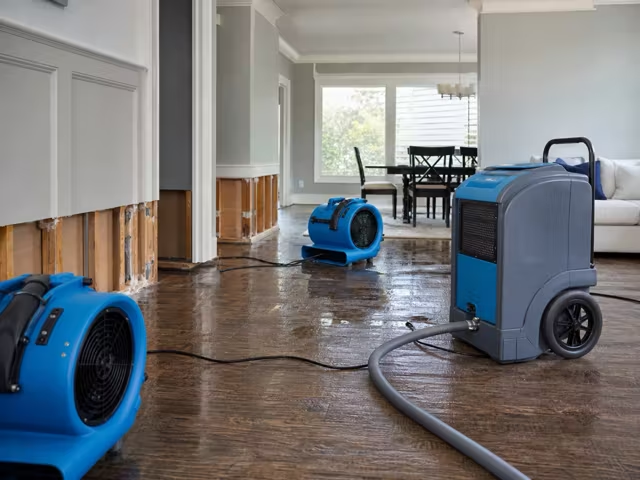
Local planning
A larger or rural lot may have drainage ditches, long roof-discharge paths, wells, septic components, detached structures, or access limits that belong in the initial record. Note whether the water followed a storm, a supply leak, an appliance failure, or a recurring drainage condition.
Before work begins
Take wide room photos before close-ups, then follow the water path from the suspected source to every visible edge. Do not enter standing water near electricity or stand below sagging material.
Source repair, emergency mitigation, material removal, contents work, and rebuilding may be different scopes. Ask who is responsible for each one before authorizing work.
Save estimates, authorizations, equipment dates, photographs, source-repair invoices, and final moisture readings. Written records make contractor comparisons and insurance conversations easier.
North Alabama water-damage restoration guide
Crawl-space water-damage questions
Water-damage insurance documentation
National Weather Service Huntsville for current local warnings.
FEMA Flood Map Service Center for address-level flood-hazard research.